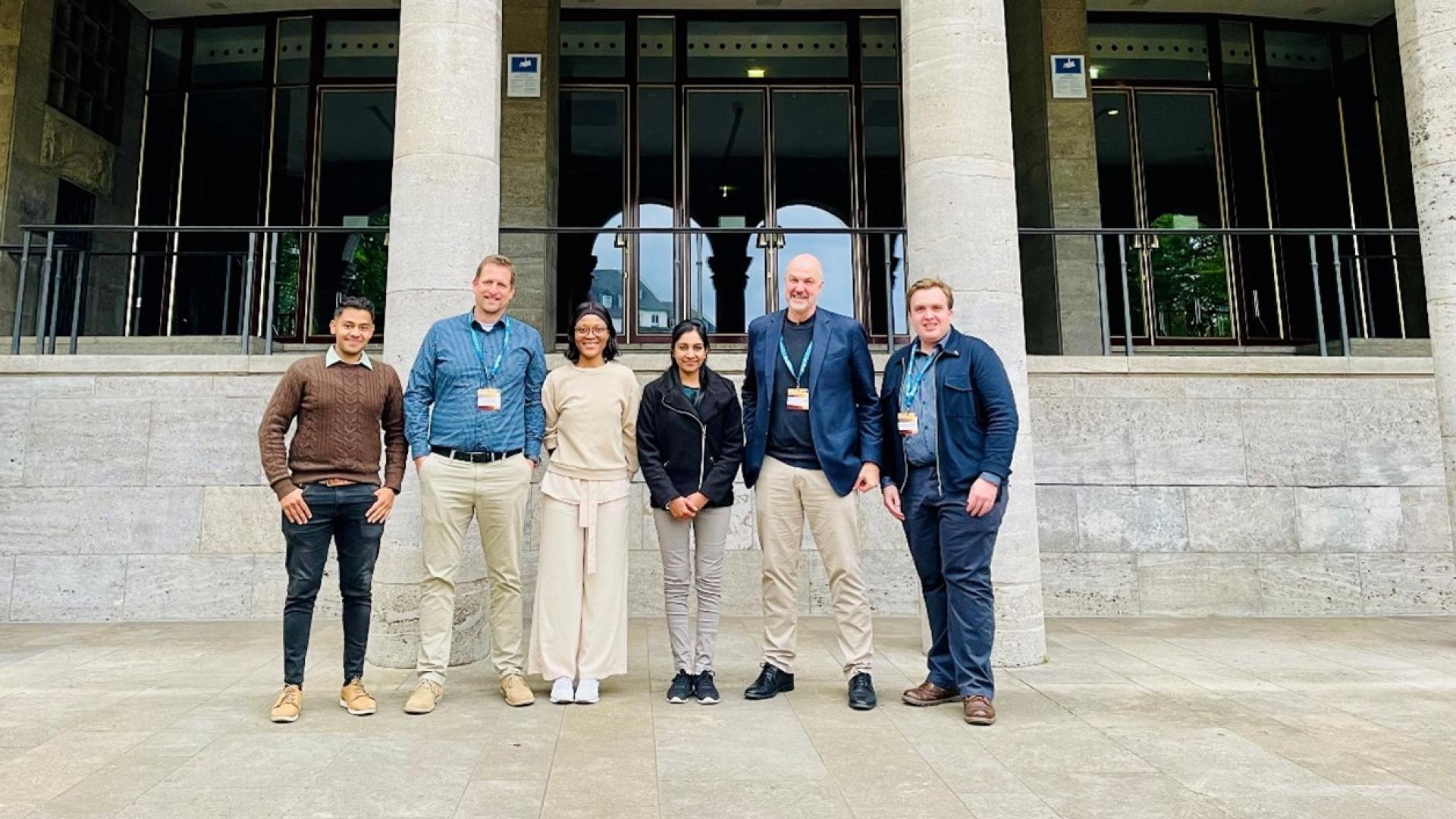
Catalysis Institute at DECHEMA | 100 years of Fischer-Tropsch synthesis – Mulheim, Germany

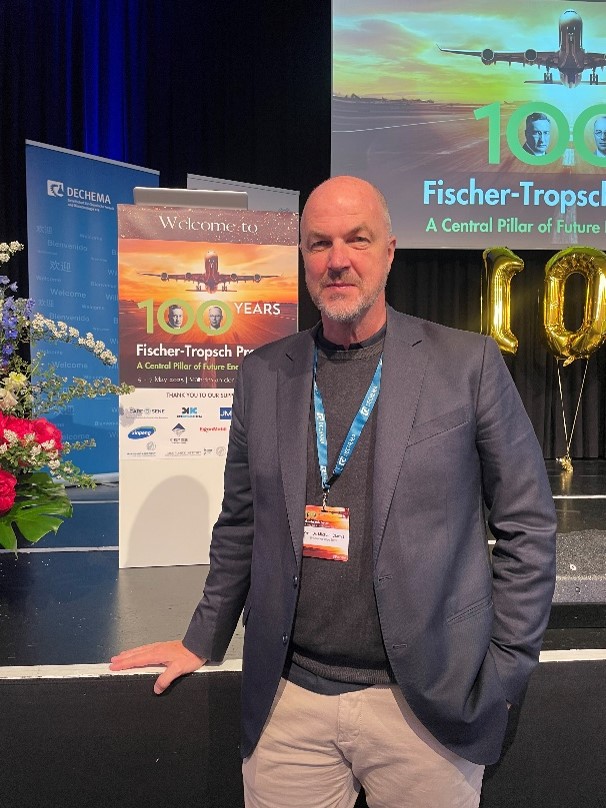
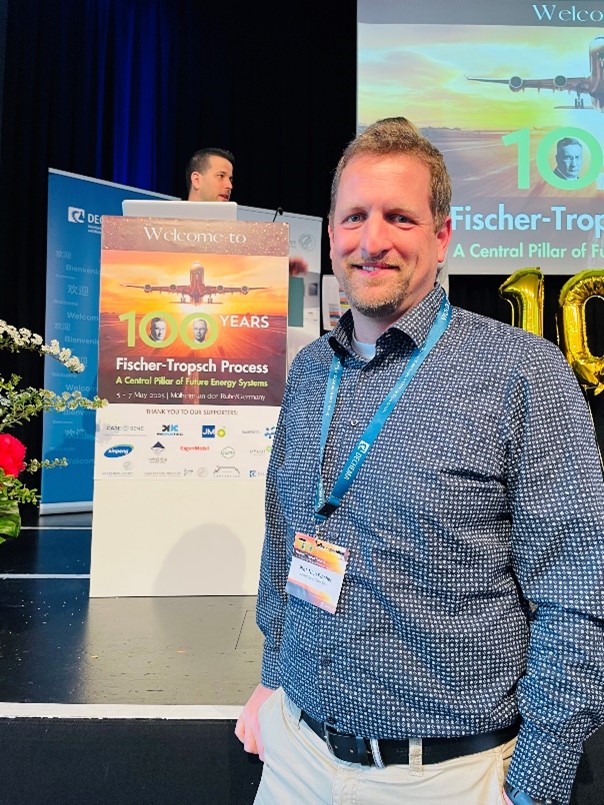
The DECHEMA centenary conference celebrated a remarkable 100 years since Franz Fischer and Hans Tropsch first showcased the ability to convert a mixture of CO2 and H2 (syngas) over solid catalysts into hydrocarbons. Originally crafted in July 1925 as a creative alternative for producing fuels from coal and natural gas, the Fischer–Tropsch process has evolved to become a key component of “Power-to-X” strategies. These strategies combine renewable electricity, whether through water or CO₂ electrolysis, with syngas conversion to create low-carbon fuels for sectors that are challenging to electrify, while also providing sustainable feedstocks for the chemical industry. During the conference, the latest breakthroughs in catalyst design, mechanistic understanding, and reactor engineering were explored within the context of this century-long journey, highlighting the process’s remarkable adaptability and its essential role in a sustainable energy future.
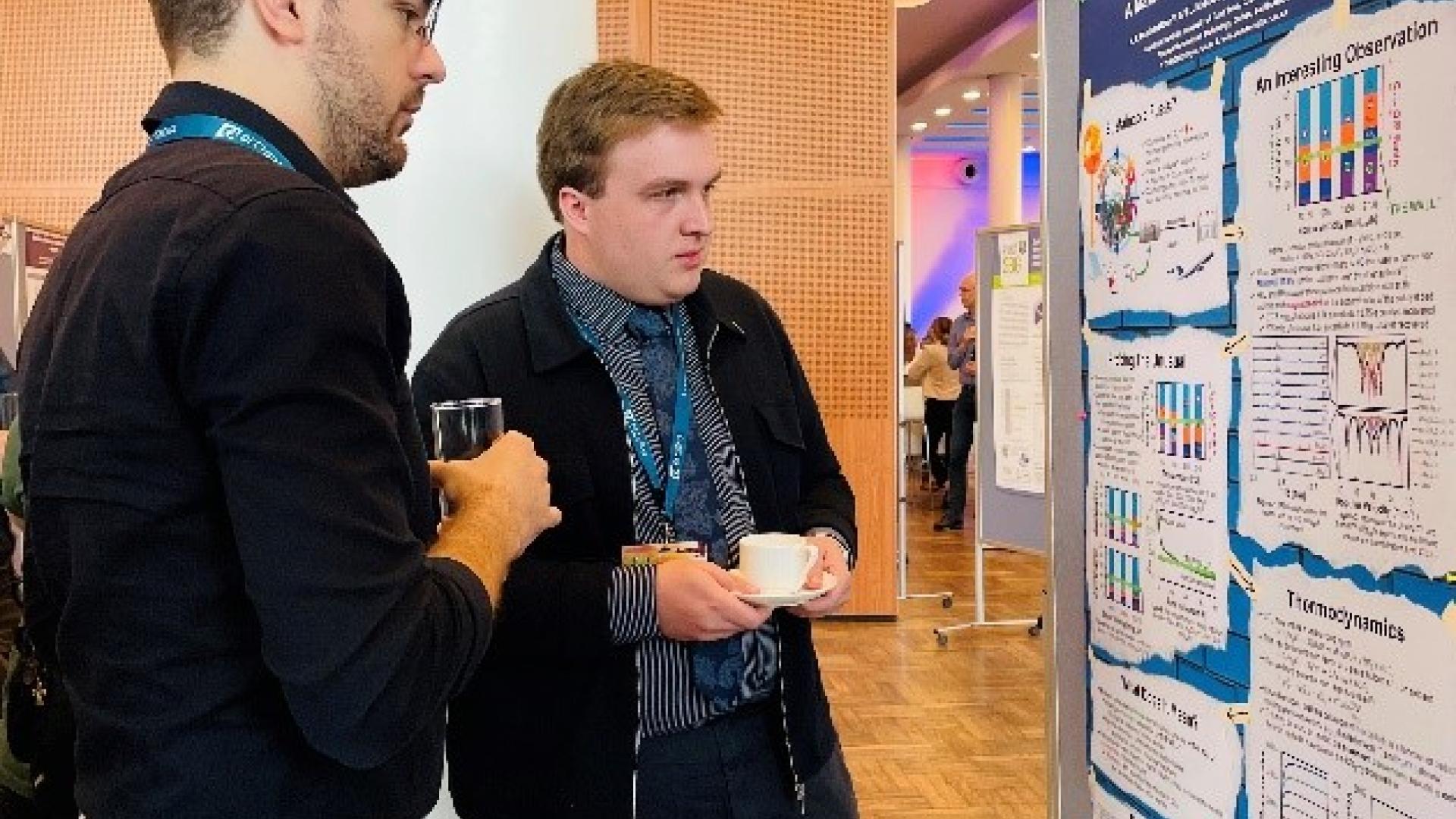
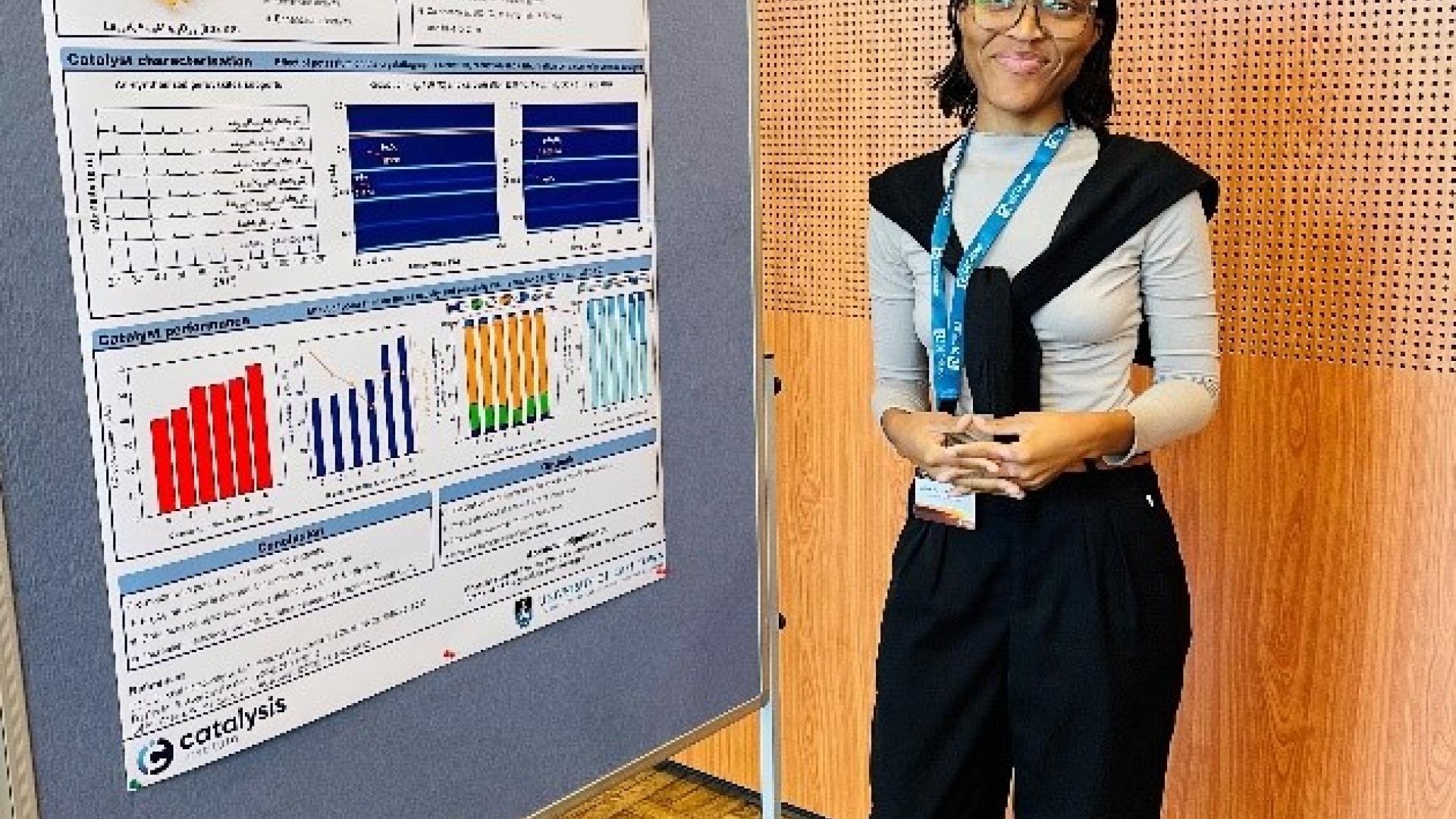
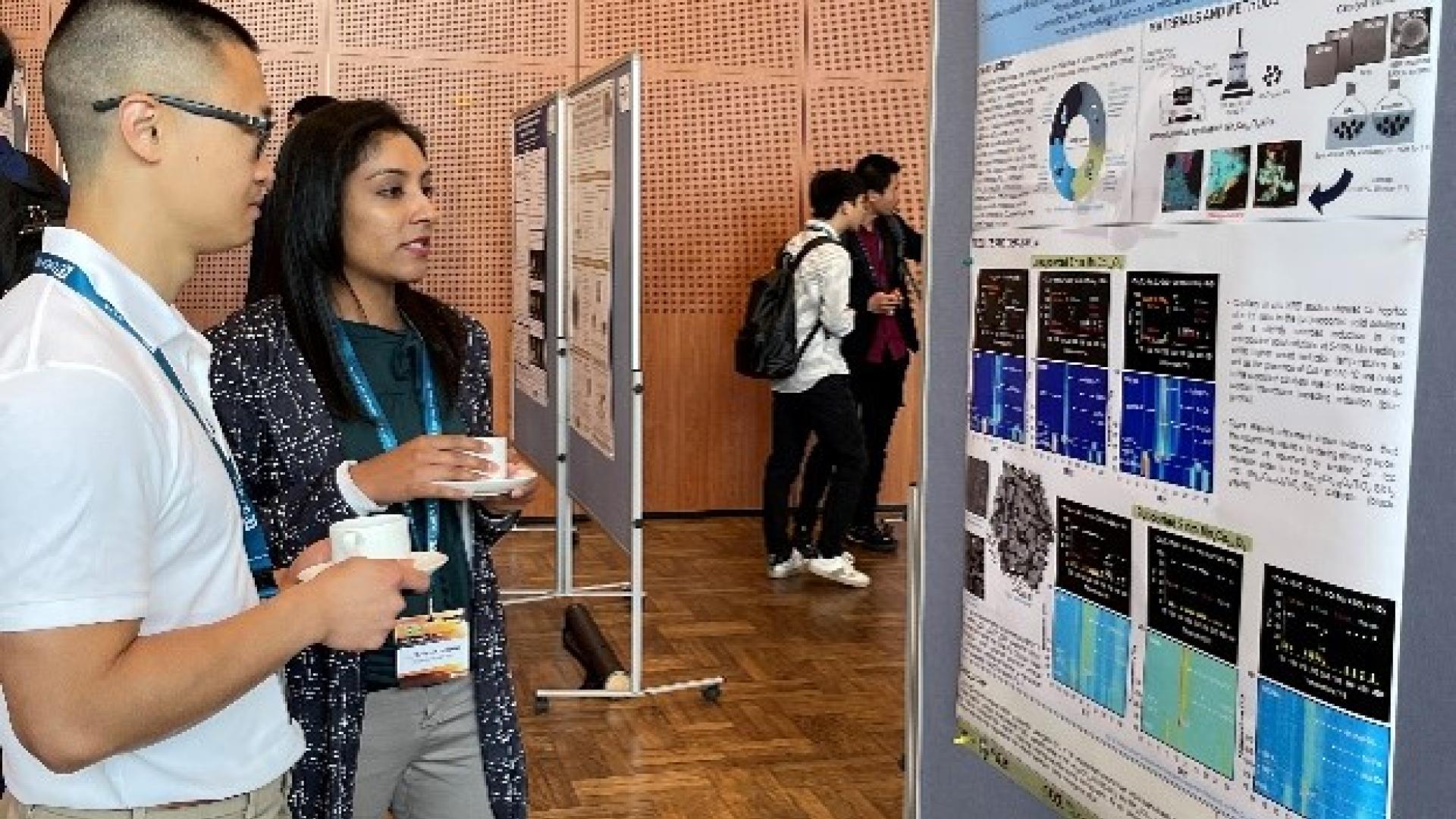
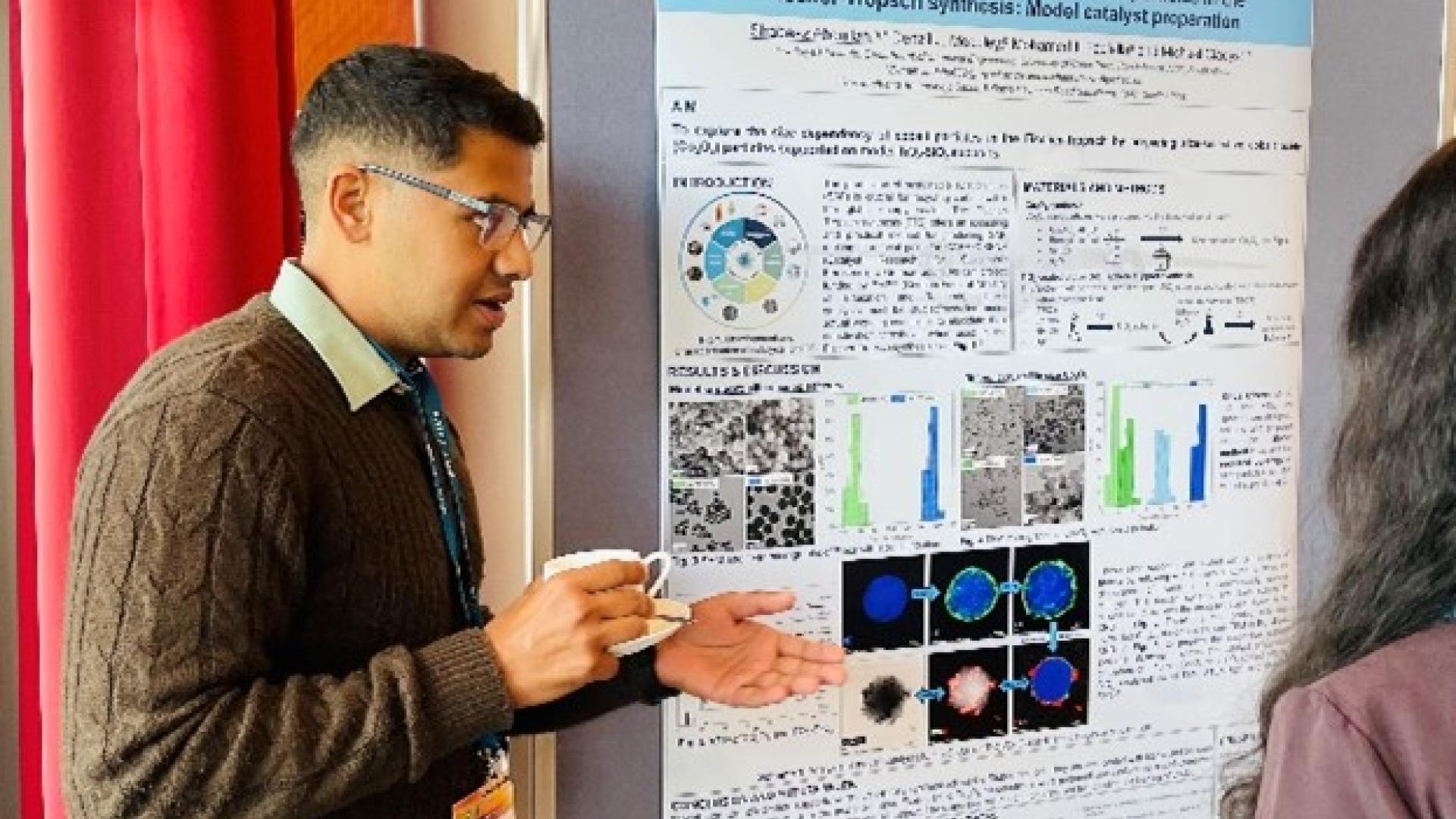
Percy Ketlogetswe presented her poster, “Advancing Iron-Based Fischer–Tropsch Catalysts: Potassium Modified Perovskite Supports,” detailing how potassium incorporation into perovskite matrices enhances iron catalyst activity and selectivity. Revana Chanerika’s poster, “The Effect of Mn Content on the Reduction of Co-Based Model Catalysts and Their Performance in FTS,” explored how varying manganese loadings alter cobalt reduction behaviour and downstream hydrocarbon production. Sanele Moloi presented on “Effect of Alumina Support Modifiers on the Activity and Selectivity of Ru-Based Fischer–Tropsch Synthesis Catalysts,” demonstrating that tailored alumina surface treatments can significantly influence ruthenium catalyst performance. Shabaaz Abdullah’s “Exploring the Size-Dependency of Cobalt Particles in Fischer–Tropsch Synthesis: Model Catalyst Preparation” provided a systematic study of cobalt nanoparticle size effects, offering design principles for optimizing chain growth and selectivity. Nicholas Featherstone's poster was titled “Is there a maximum conversion in direct CO2-hydrogenation?”.
Dechema