The majority of research projects undertaken by the Minerals to Metals Initiative are conducted by post-graduate students, supplemented by post-doctoral research fellows and supervised by academics from the Department of Chemical Engineering in partnership with academics and/or other experts from other disciplines and/or research groupings. We are currently pursuing research in the following areas:
|
| Coal Mine Methane Methane is responsible for roughly 30% of observed global warming since the industrial revolution and has over 80 times the global warming potential (GWP) of carbon dioxide over a 20-year period.” Information on the scale of emissions in South Africa is, however, limited. This research area aims to address this shortcoming. |
|
| Environmental Impacts of Mining: Mine Dust & AMD We plan to develop a common understanding around the risks of mine dust and work together towards integrated and inclusive solutions. This network serves as a collaborative, interdisciplinary and multi-sectoral think-tank that informs research, policy and practice on mine dust related issues and impacts, with specific emphasis on community health. |
 | Mine Closure and Resilient Post-Mining Communities This research area includes mine closure planning and risk mapping, the discourses and power relationships between stakeholders in the Just Transition, and the development of post-mining economic opportunities. |
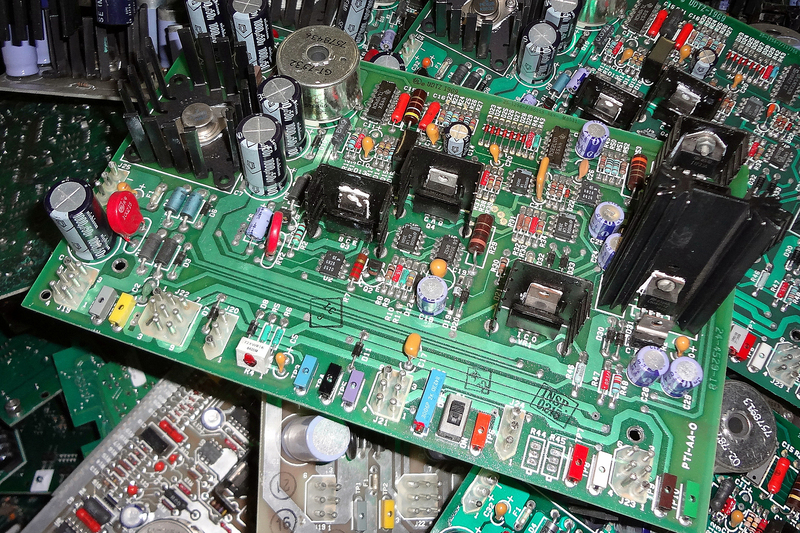 | Mineral Value Chains and Strategic Minerals Projects on the feed-forward performance modelling of process flowsheets, the identification of local opportunities for the production of strategic or critical materials for the low-carbon technologies, and the recovery of REE from clays. |
 | Value from Waste: Mining in a Circular Economy As long as there are tailings dams – which are used to store waste products of mining operators – the long-term risks of pollution and catastrophic failure events will persist. Instead of stockpiling waste, let’s use it in a myriad of other ways. |
 | Water Monitoring: Frameworks and Citizen Science Approaches Empowering communities to monitor the quality of their own water resources and using the resulting data for both scientific purposes and advocacy. |


